

Medical coverage • Compare the actual bill

Compare medical benefits, line by line

A reimbursement percentage only becomes meaningful after you know which parts of a treatment episode count.

Owner comparing two veterinary invoice sheets with a cat beside the table
✓ Policy-first ✓ Independent ✓ Useful checks
Direct answer
Compare pet medical insurance using the same treatment episode and the same pet details. First establish covered charges, then apply the deductible, reimbursement rate and remaining limits. An apparently generous percentage can pay less if the policy excludes examination fees, rehabilitation or another material part of the bill.
What to know

Start with one complete episode of care

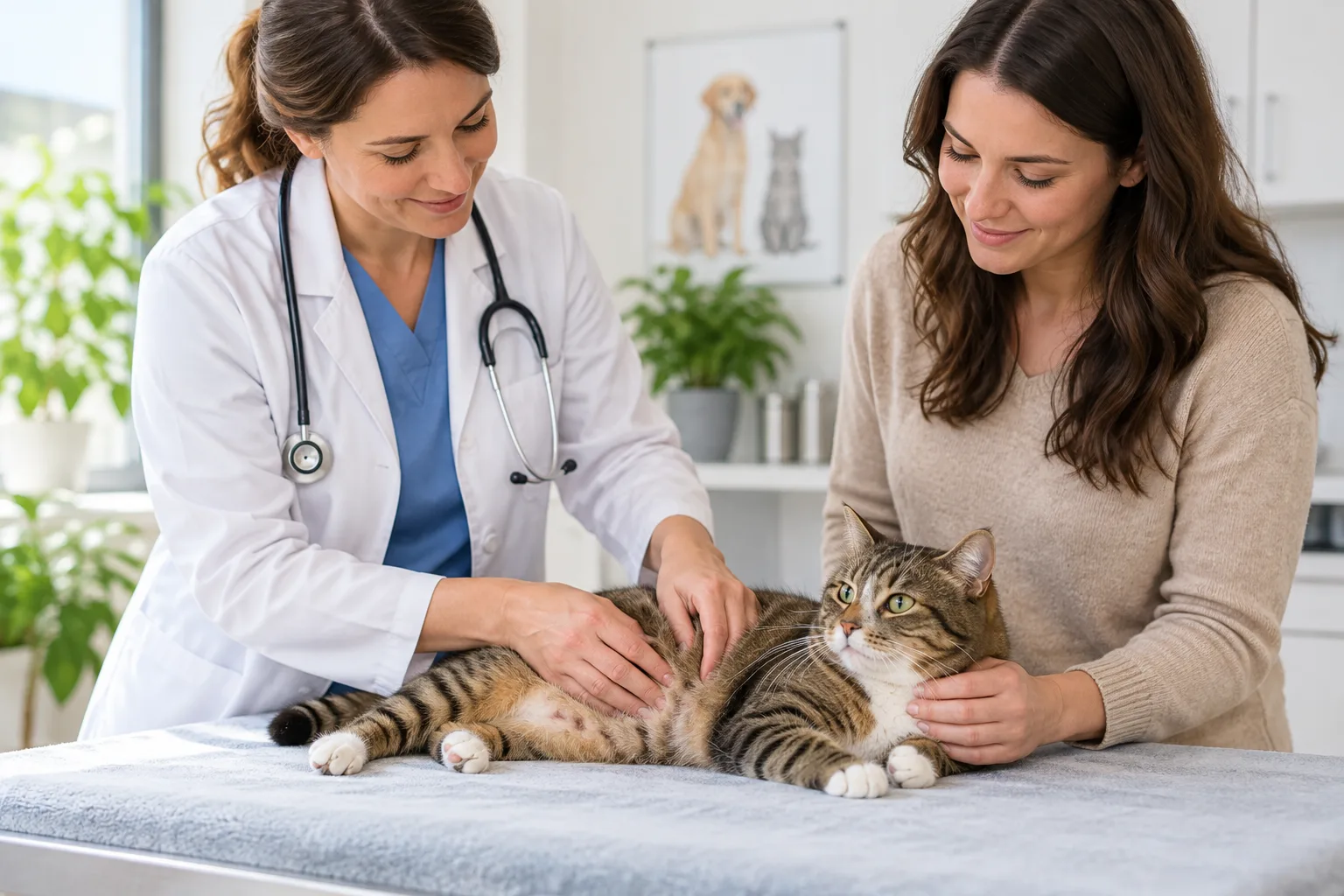
Veterinarian and owner with a cat during an examination
The same line-item comparison can be used for an eligible cat or dog medical episode.

Ask for an itemized estimate when there is a real treatment plan. For a shopping exercise, use clearly invented figures instead of presenting an internet average as your pet’s expected bill. Separate the reason for treatment from the services charged: the underlying illness may be eligible while one service is outside the selected benefits.

Expense in a fictional episode Illustrative amount Question to carry into each quote
Examination and consultation $200 Is this fee included, optional or excluded?
Diagnostic and medical treatment $2,300 Does the condition qualify, and is payment based on these billed charges?
Prescribed rehabilitation $300 Is the relevant benefit present and are provider requirements met?
Total $2,800 What would the owner pay before and after an approved claim?

The amounts are invented, not a forecast, quote or treatment recommendation. Their purpose is to stop a comparison from silently dropping charges that the veterinarian would still expect you to pay.

What to know

A lower percentage can return more

Assume Configuration A includes all $2,800 and pays 80% after subtracting a $500 deductible. Its illustrative payment is $1,840, leaving $960 of the bill with the owner. Configuration B includes only the $2,300 treatment line and pays 90% after the same deductible. Its payment is $1,620, leaving $1,180 of the original bill with the owner.

In this deliberately simplified example, A returns $220 more even though its percentage is lower. The result is not a recommendation until you also know the difference in premiums and the broader policy terms. Neither configuration represents an identified insurer.

The example assumes all relevant waits are satisfied, the condition is eligible, no sublimit or benefit schedule intervenes and enough annual benefit remains. It also fixes one calculation order: deductible first, then percentage. An actual policy may use another order. Recalculate from its wording rather than treating this arithmetic as a universal claims rule.

Decision guide

Use current product differences to choose what to test

Embrace’s overview includes specialist diagnostics and rehabilitation while directing buyers to check selected exam and prescription features. Trupanion’s described core excludes examination fees and uses a per-condition deductible. These observations suggest different questions for the same invoice; they do not establish which final offer will be cheaper.

Keep options visible in the comparison row. A quote with a rehabilitation benefit selected should not be compared with a quote without it under a single “accident and illness” label. If an option is unavailable for the pet or state, write “not offered” rather than assuming it can be added later.

For each finalist, obtain the current contract and benefit selections. Identify any service-level cap, required referral, licensed-provider rule or prior-history restriction that affects the intended episode. Do not ask the clinic to relabel a preventive service as medical treatment to seek reimbursement.

Compare

Repeat the comparison at the point a limit matters

A single bill may not expose a policy’s main tradeoff. Run a second eligible episode later in the same period, then one after renewal. Mark the deductible already satisfied and the benefit already used. For a per-condition design, decide whether the new episode is part of the same condition under the insurer’s definitions before using the previous deductible balance.

Keep two totals: total owner cost after approved reimbursements, and cash needed before any reimbursement arrives. These are different questions. A favorable final cost can still require an initial payment you cannot manage. If direct payment is offered, confirm the arrangement with the specific hospital instead of entering zero in the upfront-cost column.

Finally add the full premium for the period being compared, including selected options and any stated fees. Choose between complete configurations. A ranking based on one percentage, an unpriced add-on or an omitted examination charge is not a comparison of the medical protection you would actually buy.

Evidence

Sources and policy context

These public references support the consumer or veterinary context. Named insurer details were checked in official product materials; the policy offered for your pet and state determines the actual terms.

Next step

Compare Current Pet Insurance Rates

Check current options for your pet and location, then compare the policy details, exclusions, costs, and eligibility before choosing.

Compare the policy before you choose Check the actual offer, exclusions and out-of-pocket terms.
See Rate Options